

Building Stronger Feet: Simple Drills for Better Balance, Mobility, and Support
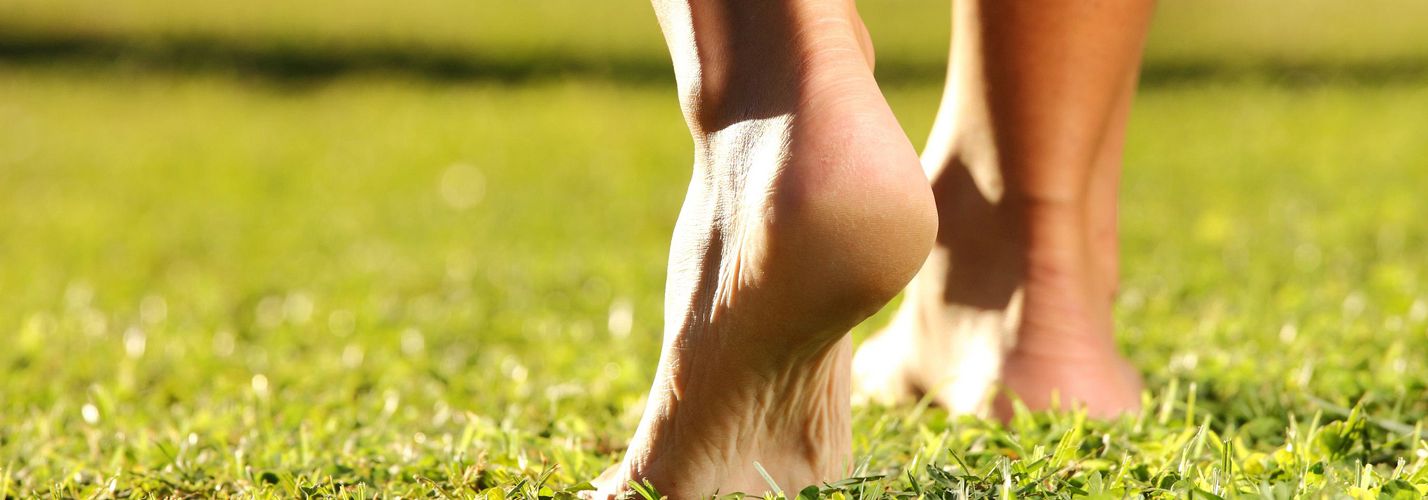
We rely on our feet to carry us through every step, stride, and workout, yet most of us don’t give them much thought until something starts aching. Whether you are navigating early bunions/hallux valgus, managing plantar fasciitis, working on your weightlifting technique, or simply wanting to feel more grounded and stable in daily movement, building foot strength can make a world of difference.
Strengthening your feet doesn’t have to be overwhelming. With a few targeted drills, you can build a more resilient foundation from the ground up.
Understanding Your Feet as a Connected System
Think of your lower leg and foot as an interconnected pulley system: your calf muscles pull on the Achilles tendon, which wraps around the heel and attaches directly to the plantar fascia running along the bottom of your foot. Because everything is linked, easing calf tension with a gentle stretch before doing foot exercises helps reduce tightness and prepares your feet to move comfortably.
Foot strengthening can meet you right where you are:
- Barefoot or with Support: You can perform drills completely barefoot, inside your everyday footwear, or with custom orthotics.
- Using Orthotics as a Learning Tool: If you wear orthotics, practicing drills with them in place acts like using a block or strap in yoga. The orthotic supports your foot in an optimal position while your muscles learn how to stay active and strong in that posture.
- Transitioning with Toe Separators: If moving barefoot feels uncomfortable or sore, toe separators offer a comfortable bridge to help gently realign and expose your feet to natural movement without unnecessary stress.
Fitting Foot Practice Into Your Routine
The best time to work on foot strength is whenever you can comfortably build it into a consistent habit.
- Before Activity: Practicing a quick drill before lifting weights, running, or practicing balance work serves as a great way to prime your feet and wake up your brain-to-foot connection.
- For Active Discomfort: If you are actively working through a condition like plantar fasciitis, shorter, more frequent sessions throughout the week can keep your feet engaged without overloading them.
- Anywhere You Stand: Because these drills require little to no space or equipment, you can easily integrate them into your morning routine, work breaks, or evening winding-down time.
Two Simple Drills to Try Today
Here are two effective, foundational exercises to help build awareness, stability, and control in your feet.
1. The Standing Rooting Drill
Great as a starting posture for balance work, weightlifting, or daily posture awareness.
- Ground and Extend: Stand comfortably. Keeping your heel firmly on the ground, reach the ball of your foot forward as far as you can, then plant it down flat.
- Lift and Fan: Lift all five toes high and wide off the floor, keeping the heel and the ball of your foot firmly grounded.
- Check Your Pressure: Take a moment to notice where the weight rests across the ball of your foot. Make sure your knees aren’t hyperextended.
- Distribute Weight: Focus on spreading your weight evenly across all five knuckle joints.
- Lower with Control: Slowly lower your toes back to the floor while maintaining that evendistribution of pressure.
- Keep Toes Flat: Aim to keep your toes long and relaxed—avoid gripping or curling theminto the floor.
- Breathe and Hold: Press the ground away with your feet to stand tall, take a deep,breath in, and maintain this stable foundation through your exhale.
2. Hallux Adduction
Designed to improve control, toe alignment, and arch activation.
- Set the Position: Stand tall, lift one foot, and slightly rotate your leg inward. Plant your toes and the ball of your foot with your toes fanned wide, making sure your small toe makes firm contact while keeping your heel lifted high.
- Spiral into Alignment: While keeping the front of your foot planted, slowly spiral your heel inward and your leg outward, gradually lowering your heel back down to the ground with control.
- Listen to Your Body: If you feel a mild cramp in the arch or foot muscles, don’t worry—cramps in this case are muscles learning to work from a short position than they’re used to! Breathe through it if you can without forcing the movement.
Tailoring the Journey to Your Feet
Every set of feet carries a unique history, shape, and set of needs. What feels great for one person might need a slight tweak for another, and modifying exercises to suit your comfort level is always the right approach.
If you’d like to see visual demonstrations of these drills, you can find them on our YouTube or Instagram page. And if you ever want tailored guidance on which specific movements, footwear, or supports will best serve your movement goals, you’re always welcome to book in for a pedorthic assessment. We’re always here to support your journey toward happier, healthier feet!